

Wetsuits — stay warm and kite for longer
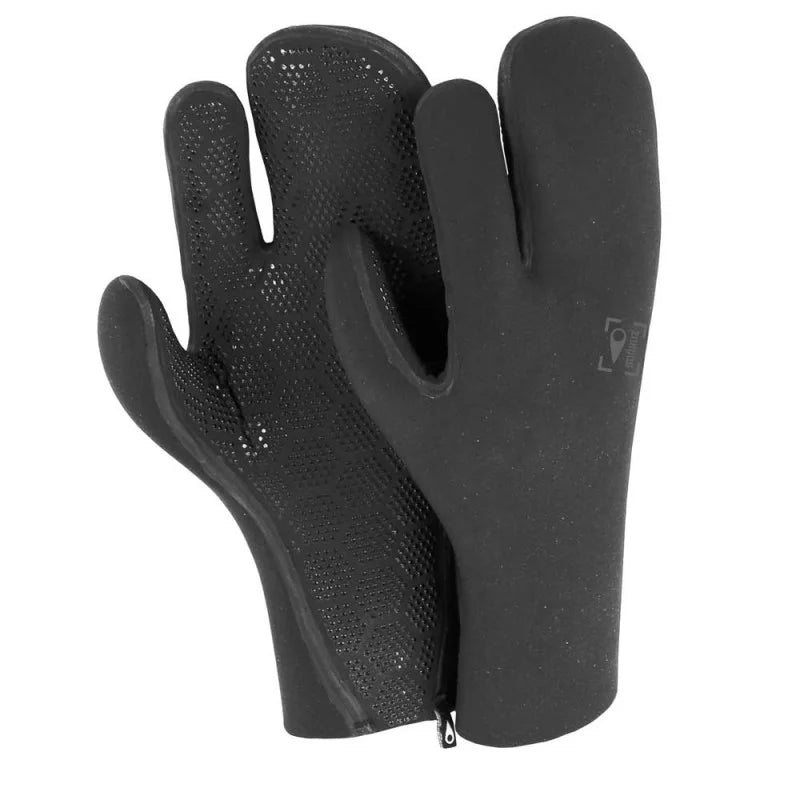
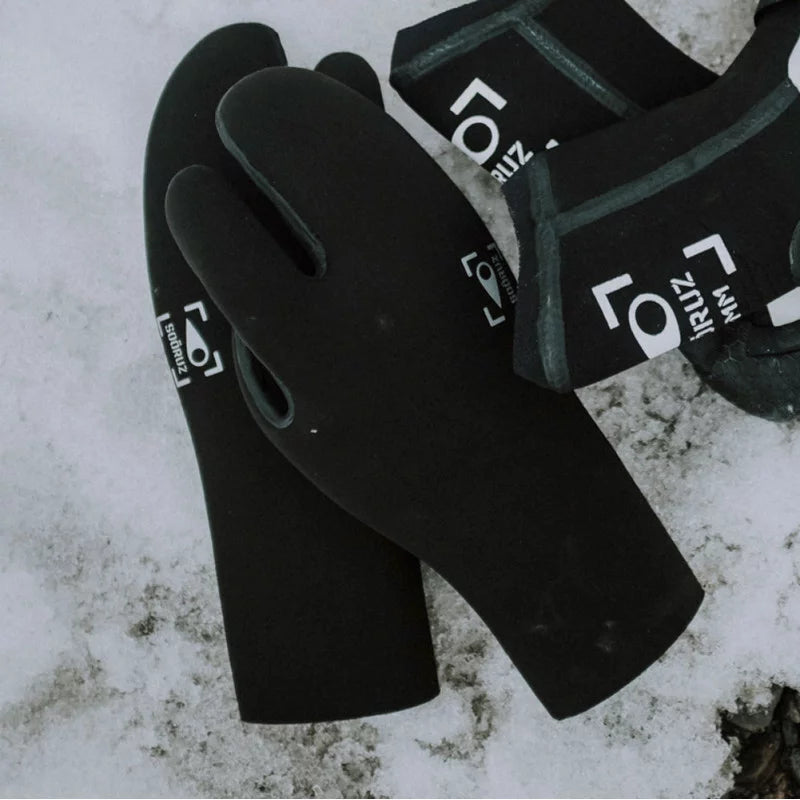
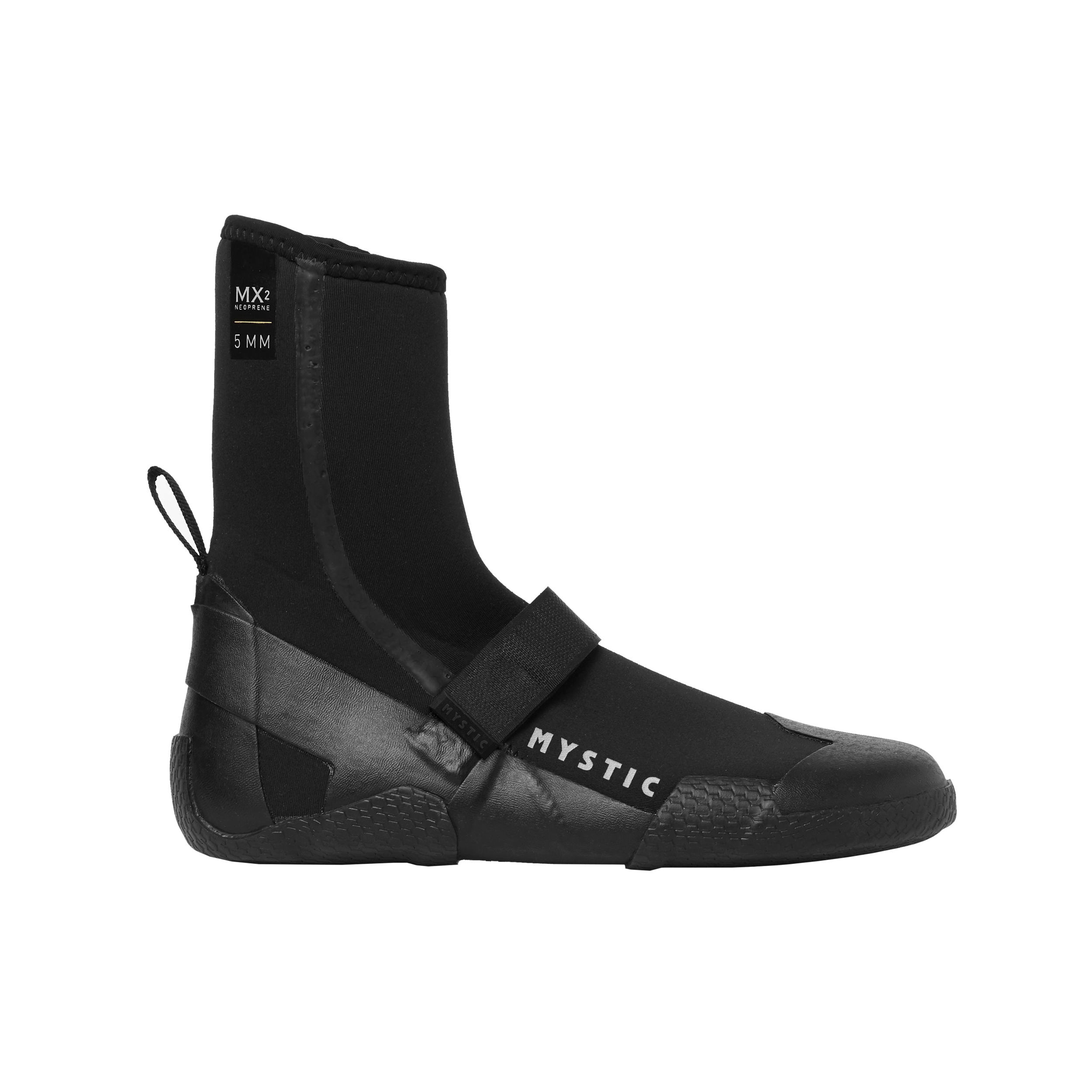
A good wetsuit is the difference between a great session and a short one. In Danish waters, the water temperature rarely exceeds 19°C even in August — and in Øresund it can drop as low as 2°C in March. A proper wetsuit is therefore not a luxury, but a necessity. At Frozen Palm Tree, we offer a wide selection of wetsuits for men, women and kids from Mystic, ION, O'Neill and Prolimit.
Frequently asked questions about wetsuits:
- What wetsuit thickness should I choose for Denmark?
- What are the different types of wetsuits?
- What is the difference between front zip, back zip and zip free?
- What determines the quality of a wetsuit?
- What is the difference between a kitesurfing wetsuit and a surfing wetsuit?
- How do I find the right size?
- How much should I pay for a good wetsuit?
What wetsuit thickness should I choose for Denmark?
Wetsuit thickness is measured in millimetres and refers to the thickness of the neoprene on the body/legs and arms. A 5/3mm wetsuit, for example, has 5mm neoprene on the body and 3mm on the arms — giving more flexibility in the arms and more warmth around the core.
Below you can see the average water temperatures in Øresund by month, which can help guide your choice:
| Month | Water temp. (Øresund) | Recommended thickness |
|---|---|---|
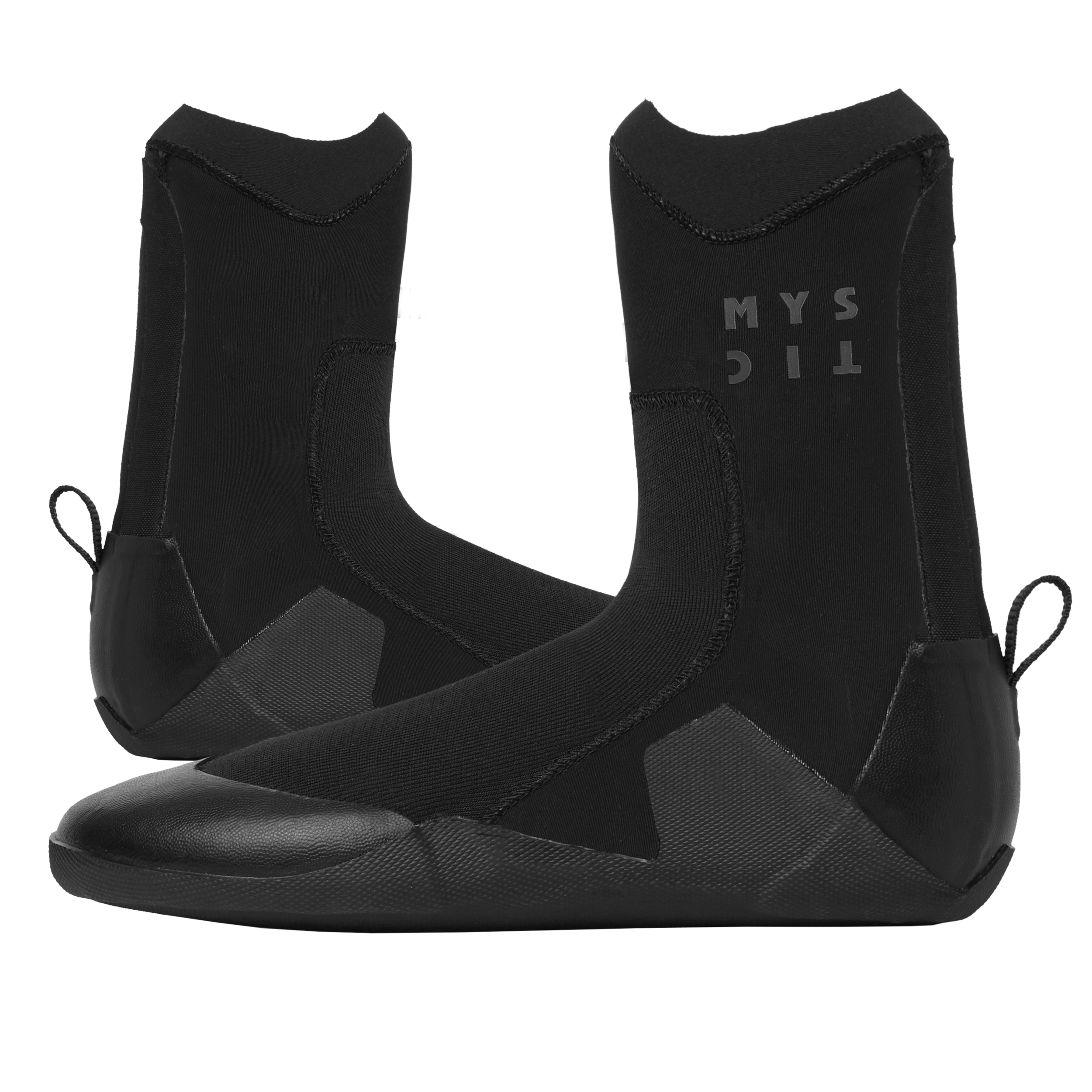
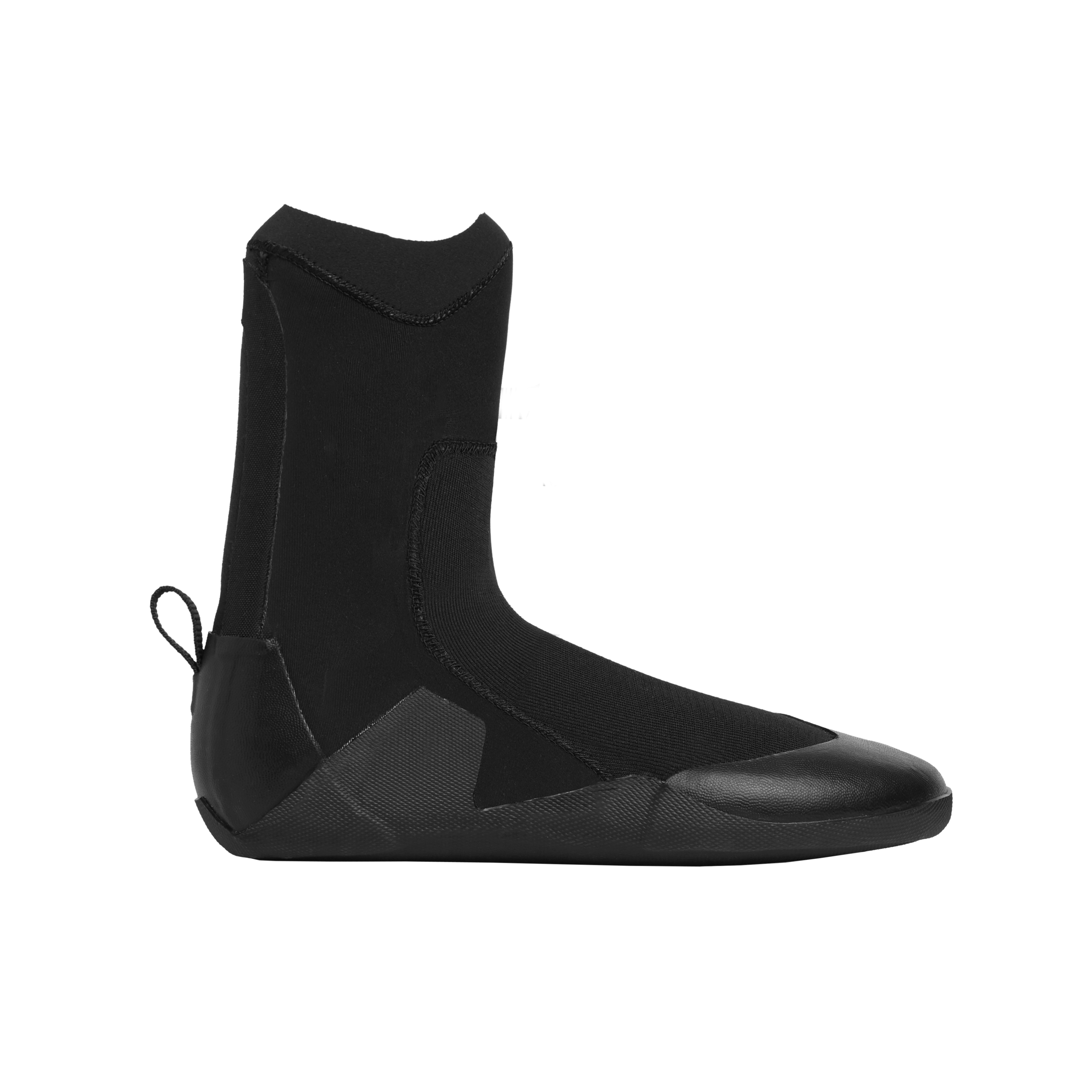
| January | approx. 2–4°C | 6/5mm + hood, gloves, boots |
| February | approx. 2–4°C | 6/5mm + hood, gloves, boots |
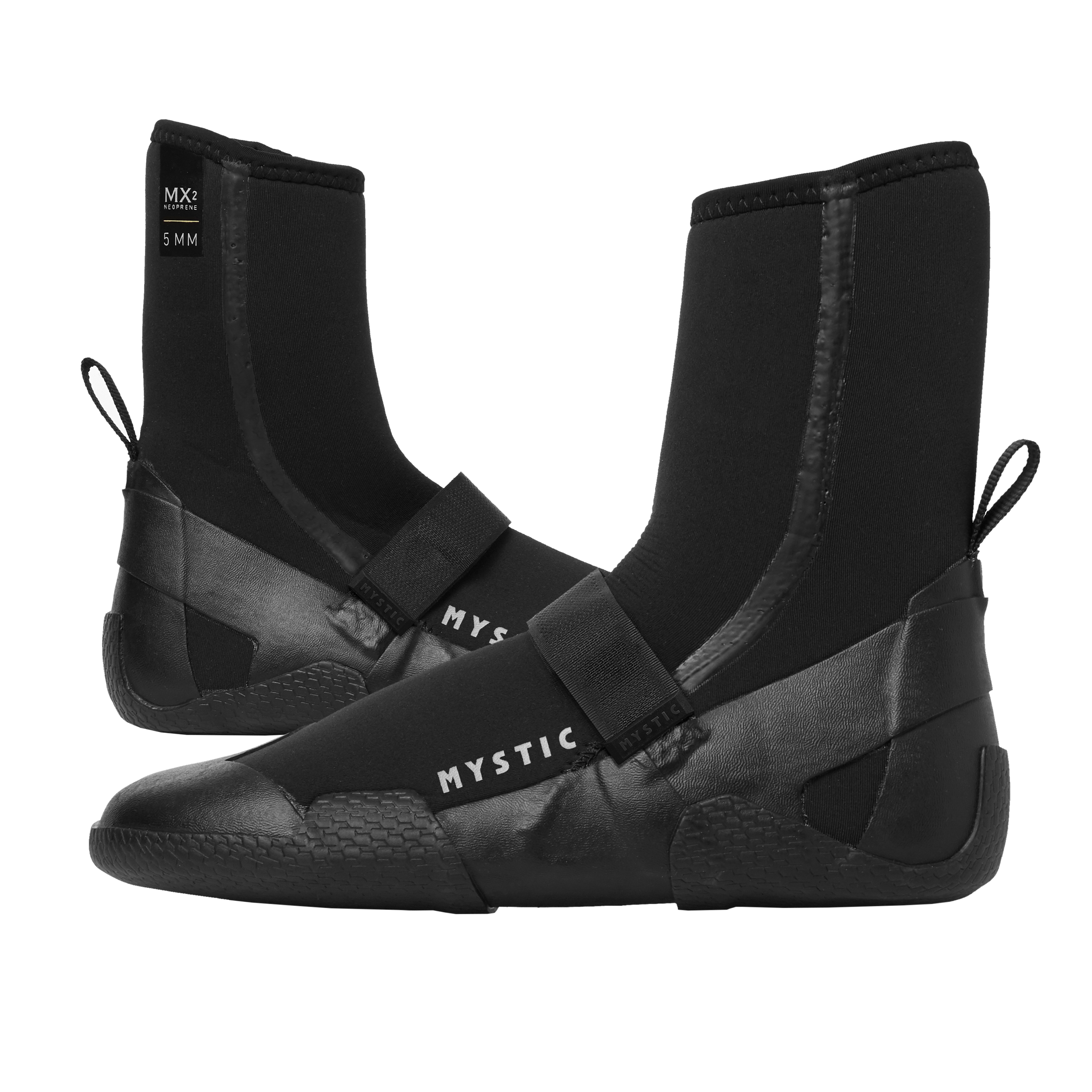
| March | approx. 2–4°C | 5/3mm or 6/5mm + accessories |
| April | approx. 7–9°C | 5/3mm + gloves |
| May | approx. 10–13°C | 5/3mm or 4/3mm |
| June | approx. 14–17°C | 4/3mm |
| July | approx. 17–19°C | 3/2mm |
| August | approx. 18–19°C | 3/2mm — possibly a shorty |
| September | approx. 17–18°C | 3/2mm or 4/3mm |
| October | approx. 13–15°C | 4/3mm |
| November | approx. 9–11°C | 5/3mm + gloves |
| December | approx. 5–7°C | 5/3mm or 6/5mm + accessories |
If you only want to invest in one wetsuit, we recommend a 5/3mm — it keeps you warm from autumn to spring and is still usable on a cold summer day.
What are the different types of wetsuits?
There are many different types of wetsuits, and the right choice depends on the season and activity:
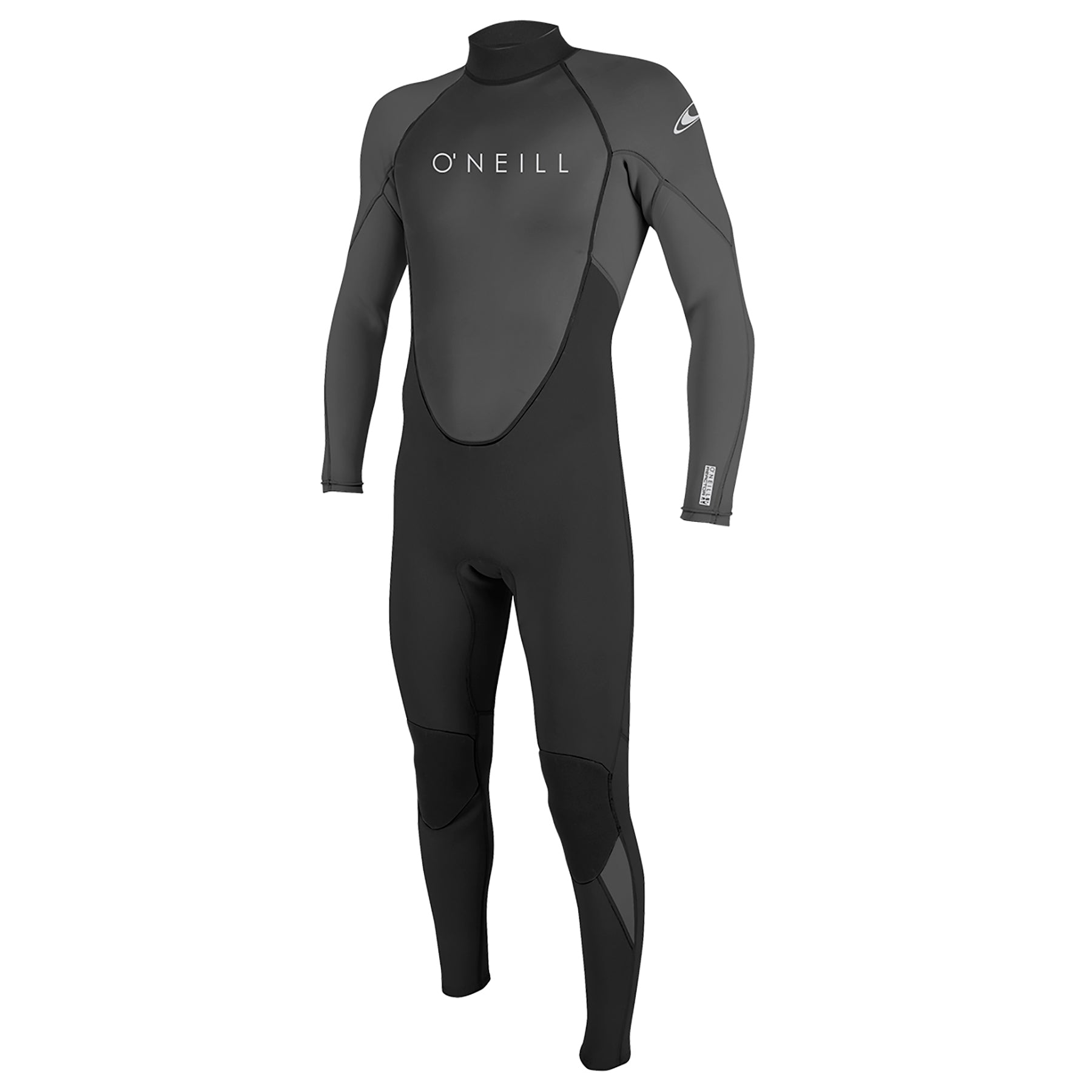
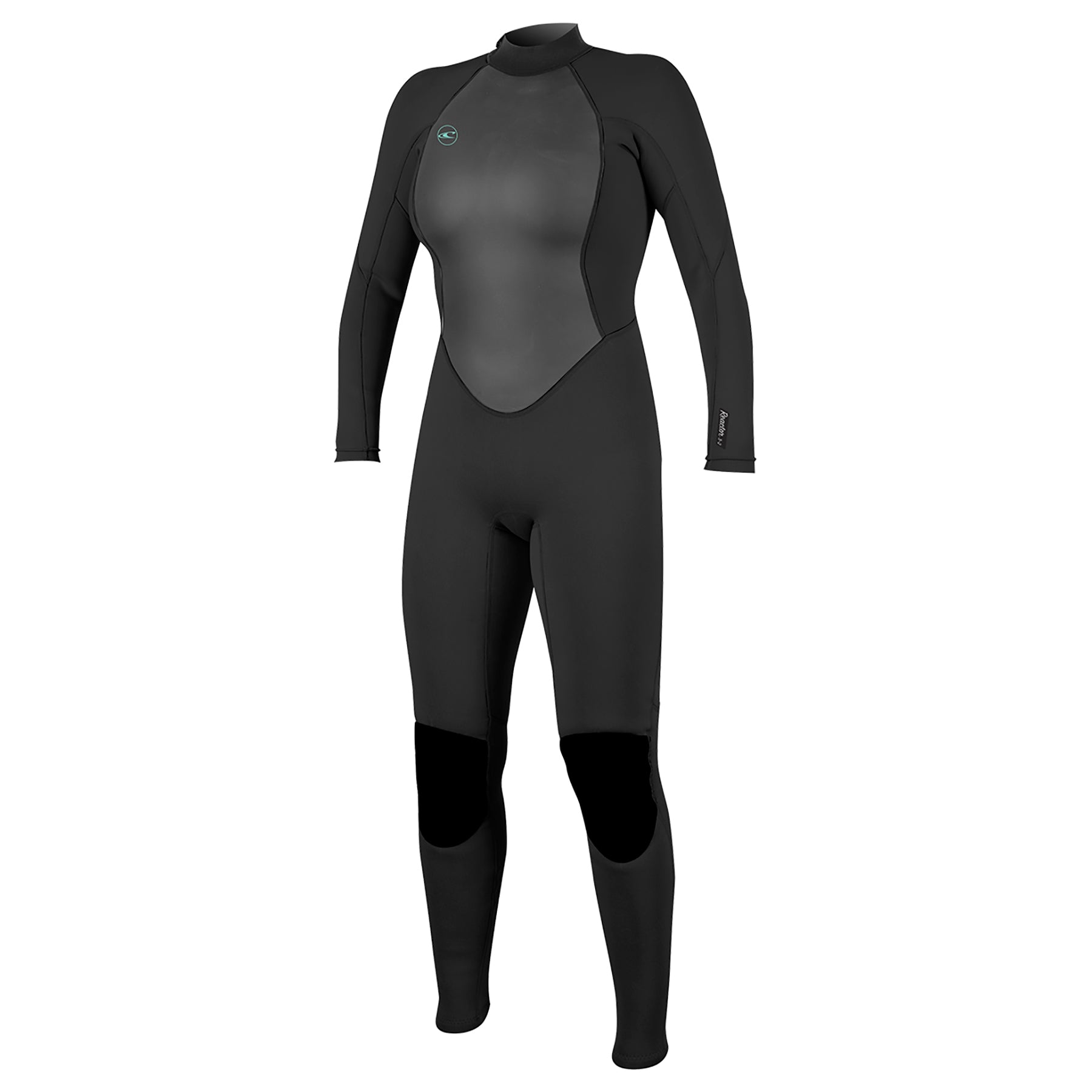
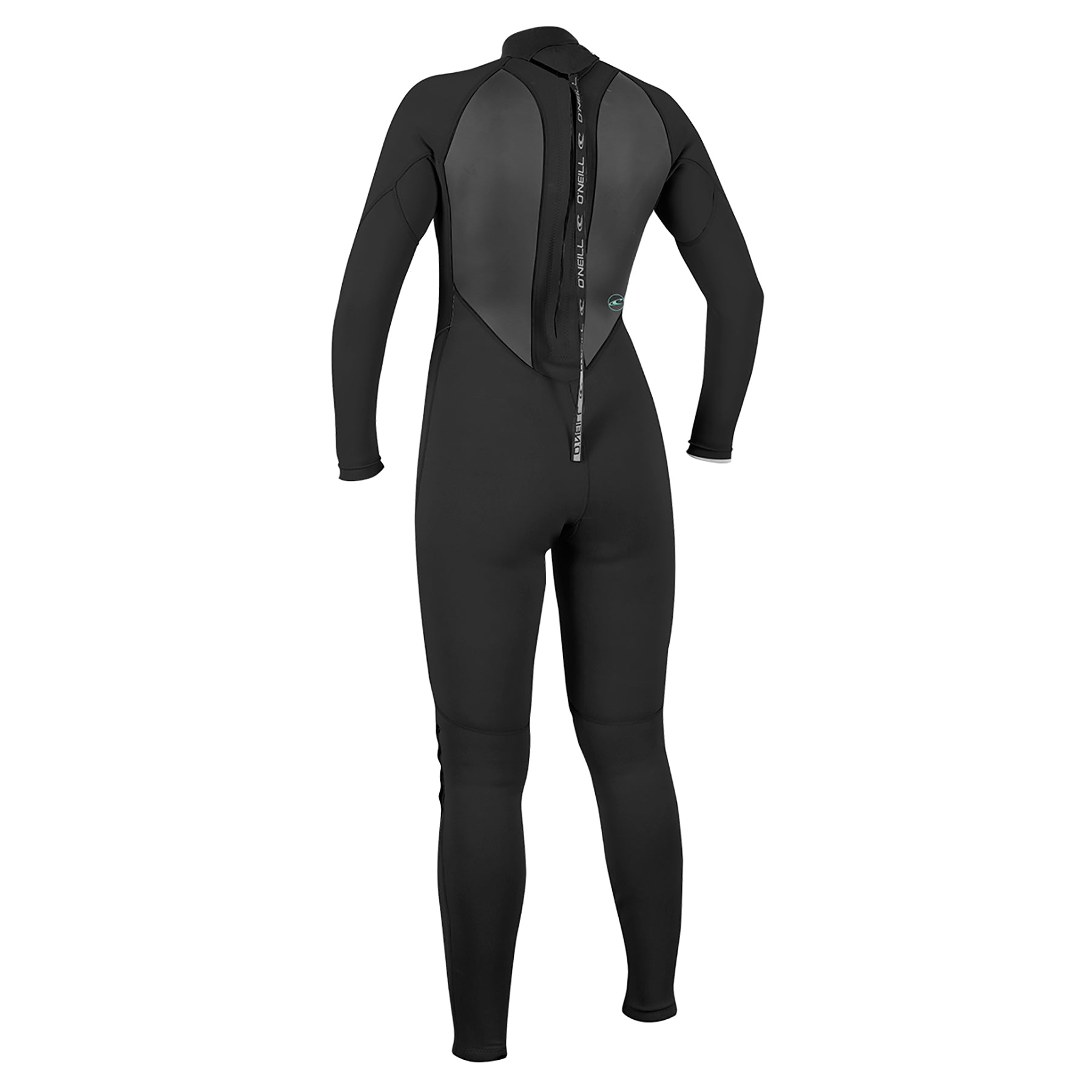
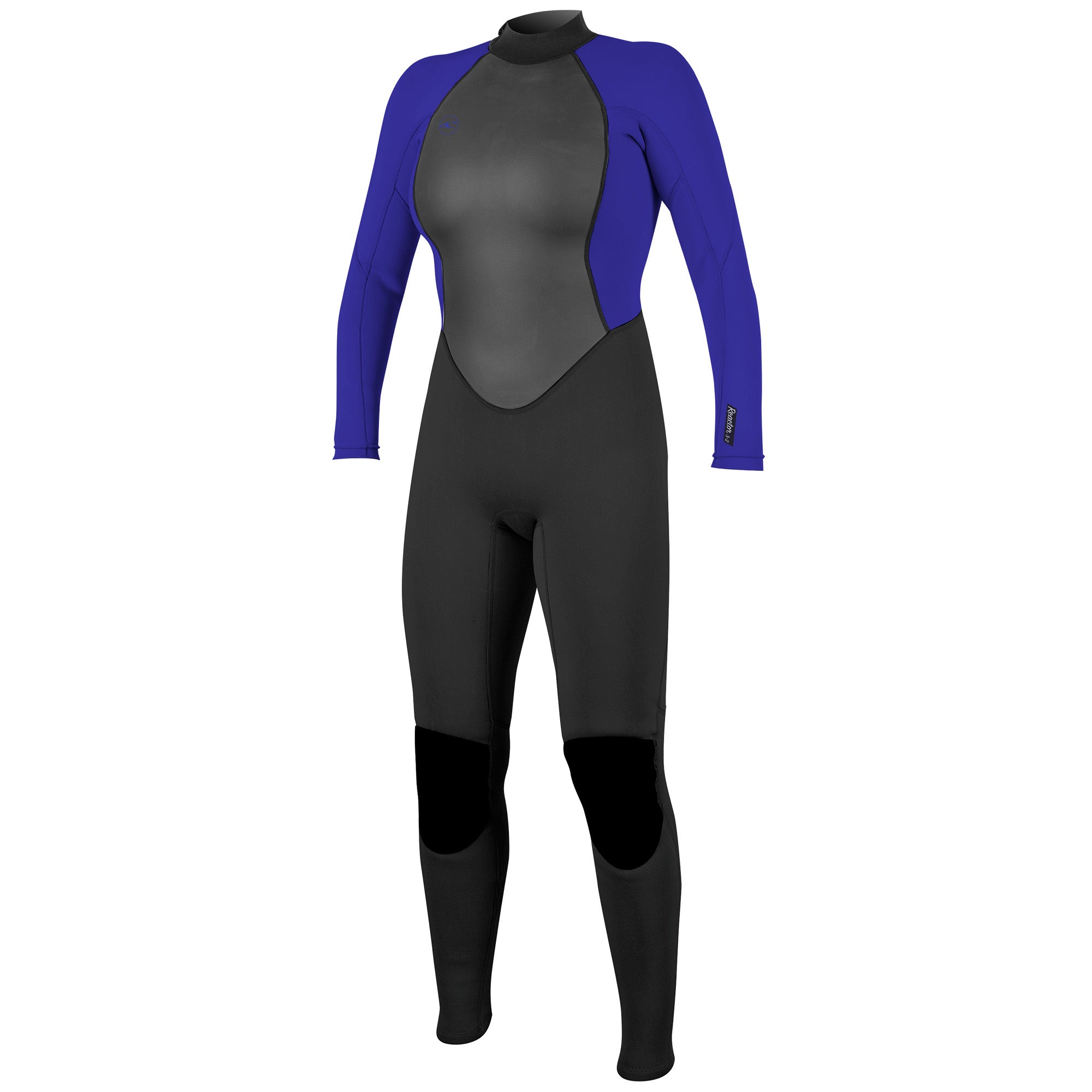
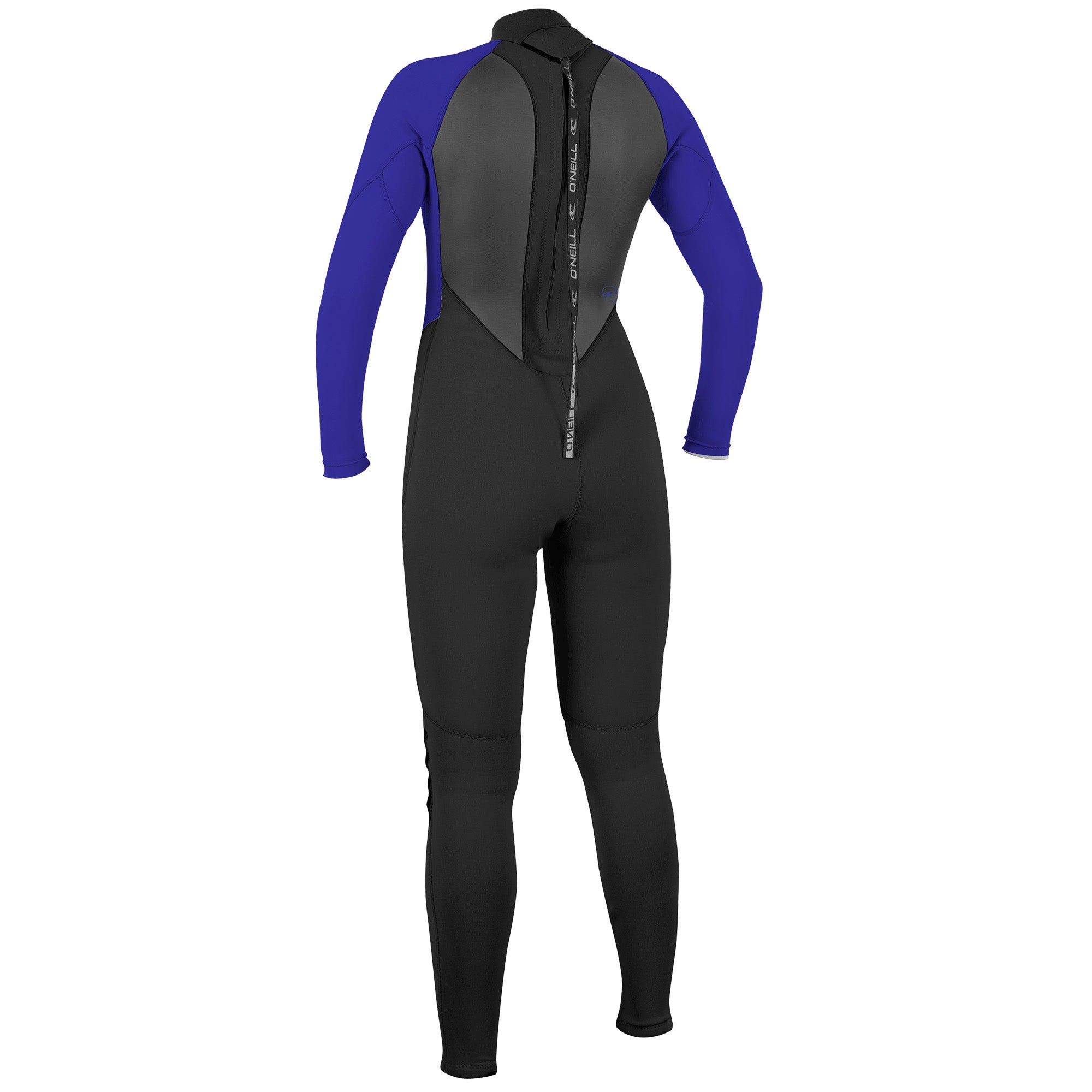
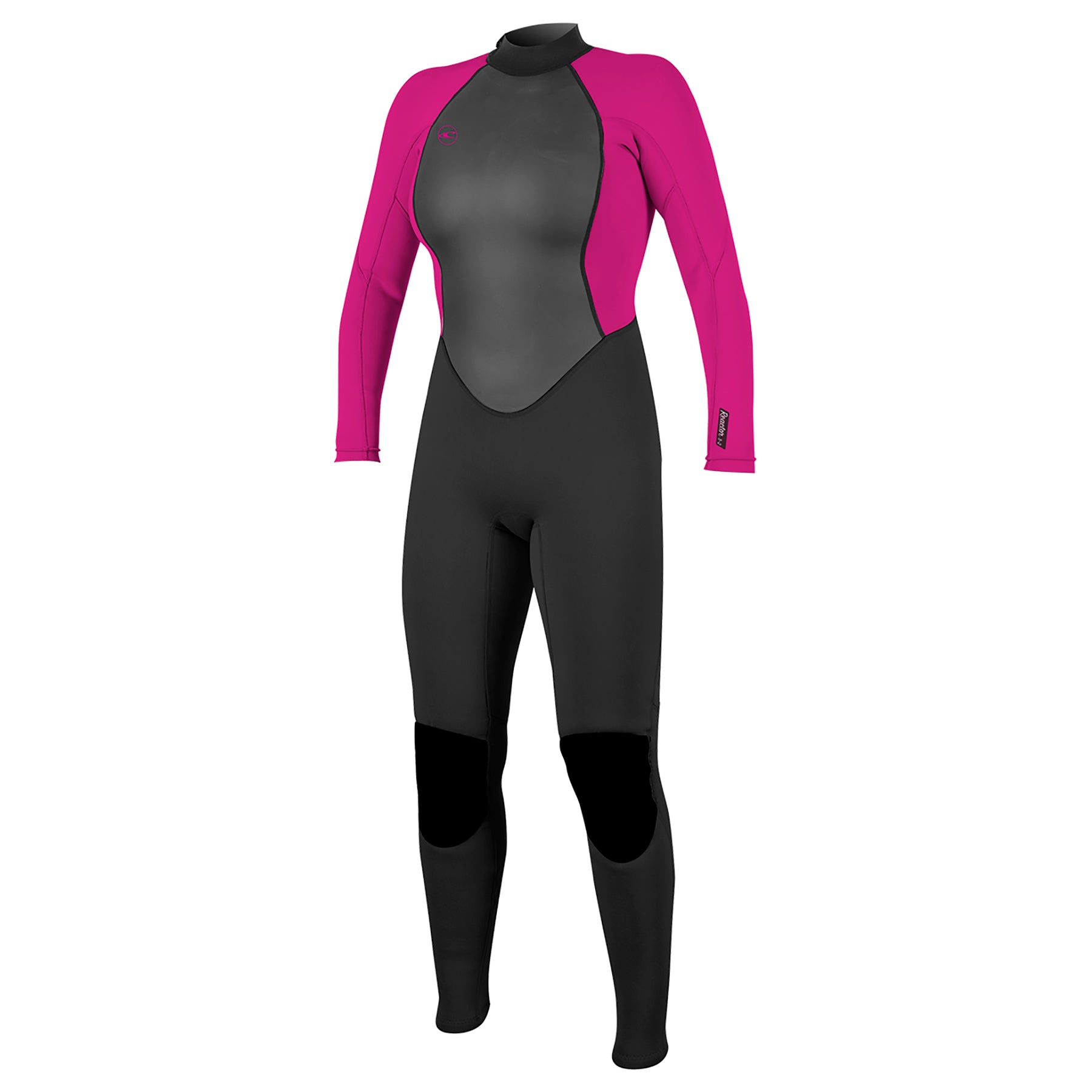
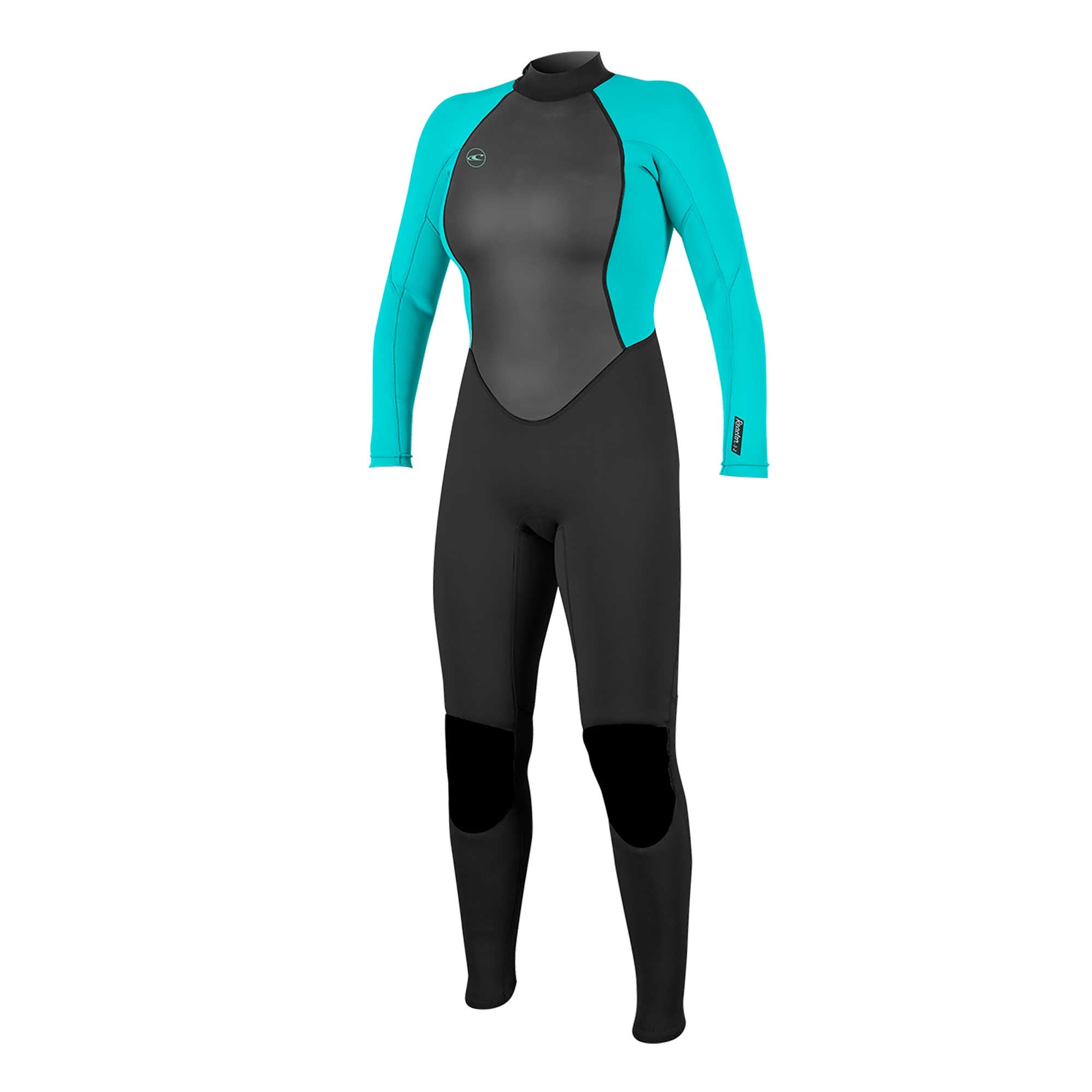
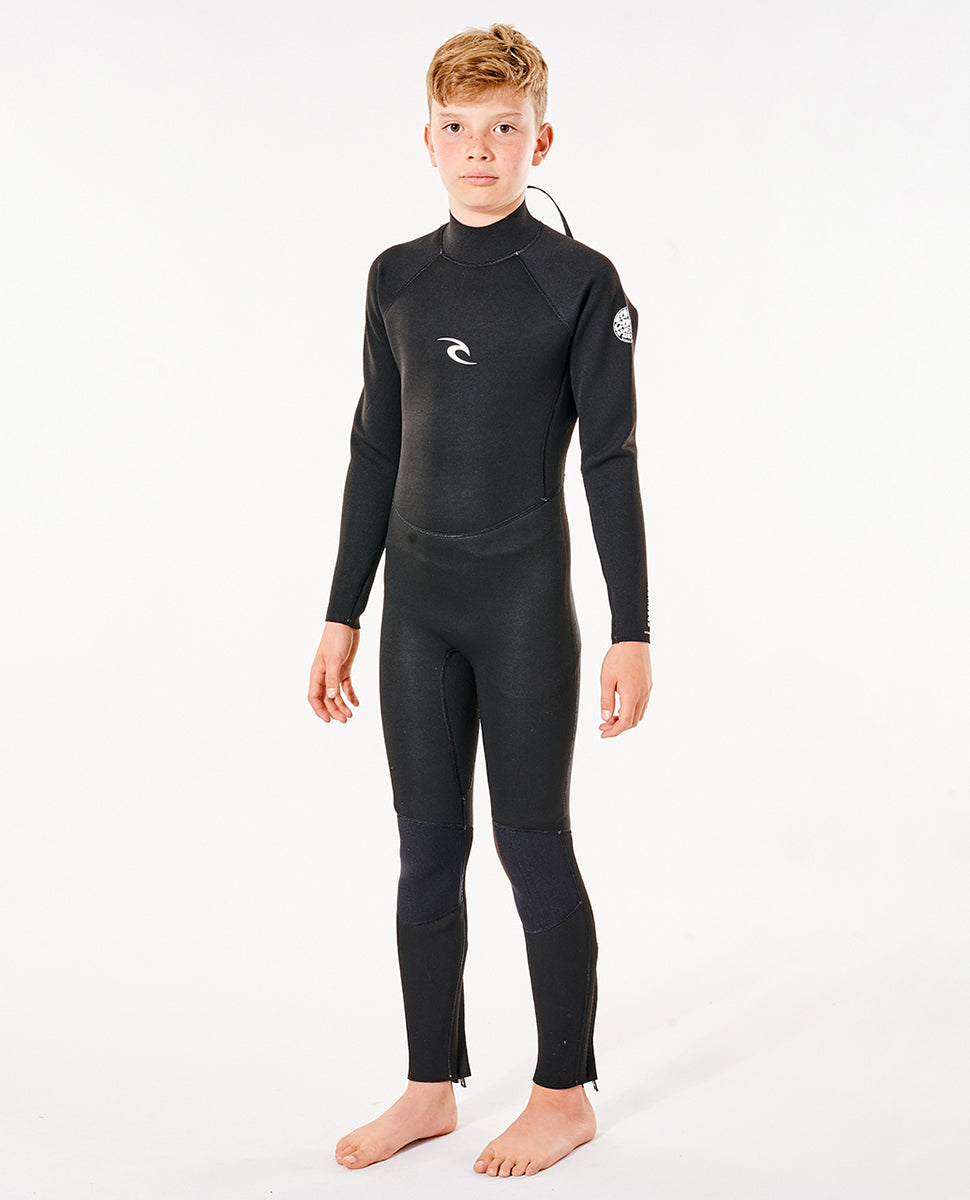
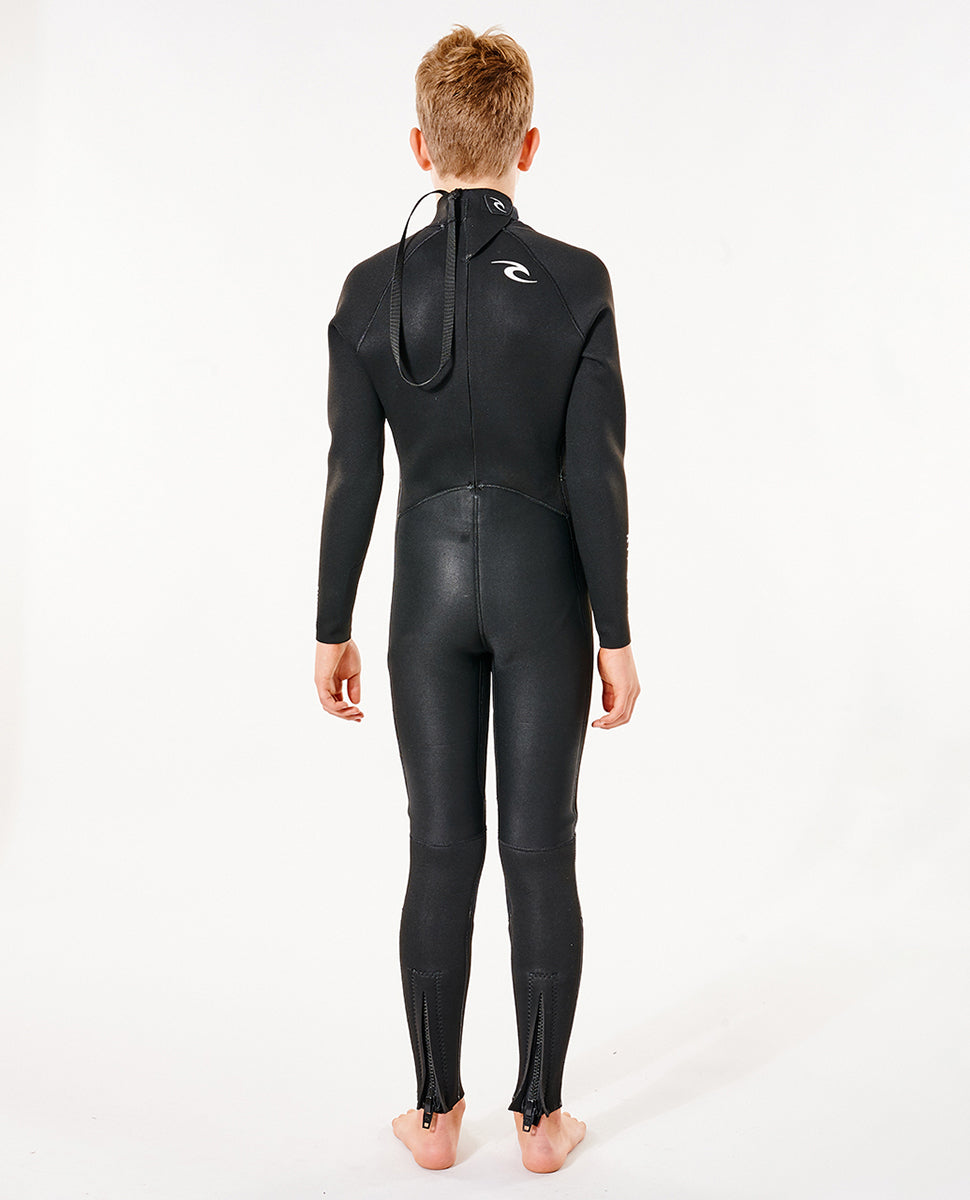
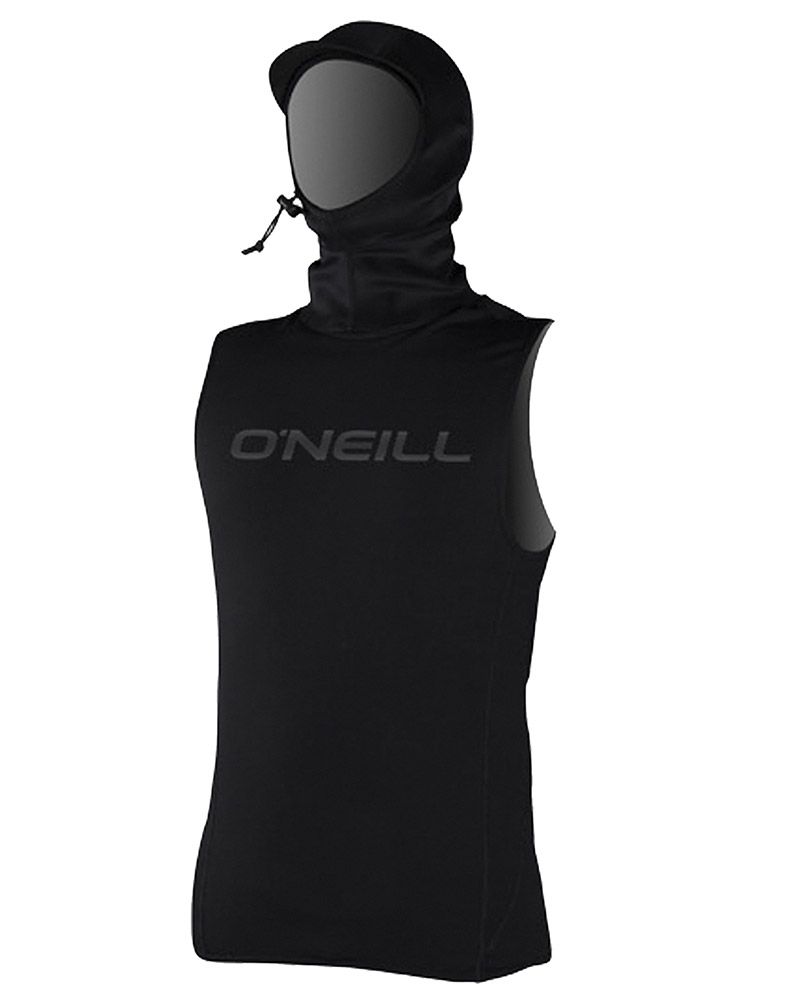
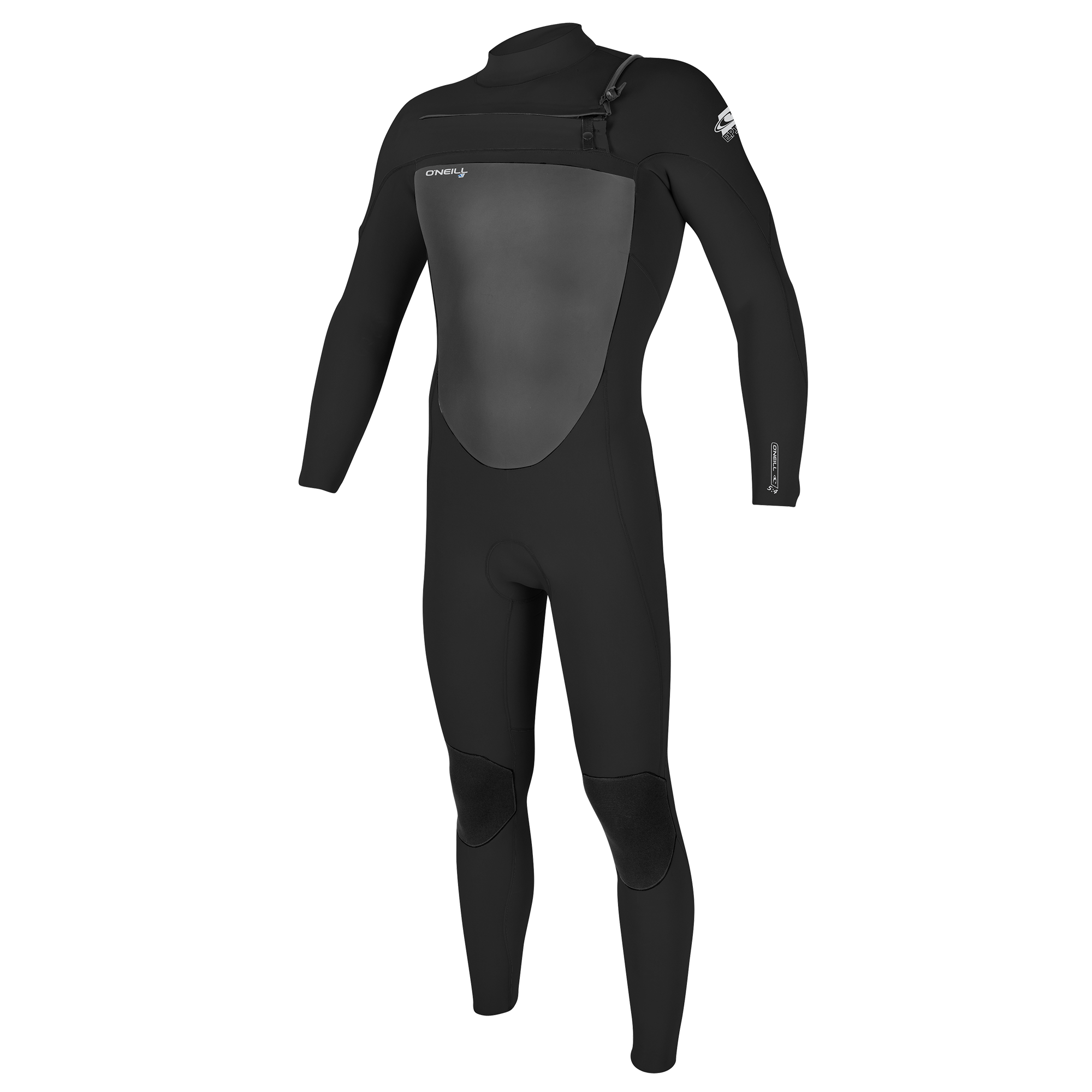
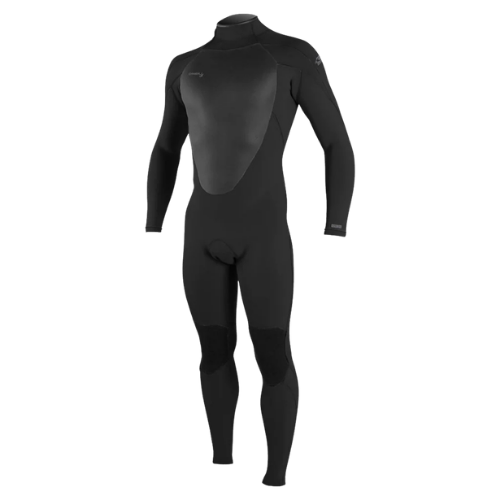
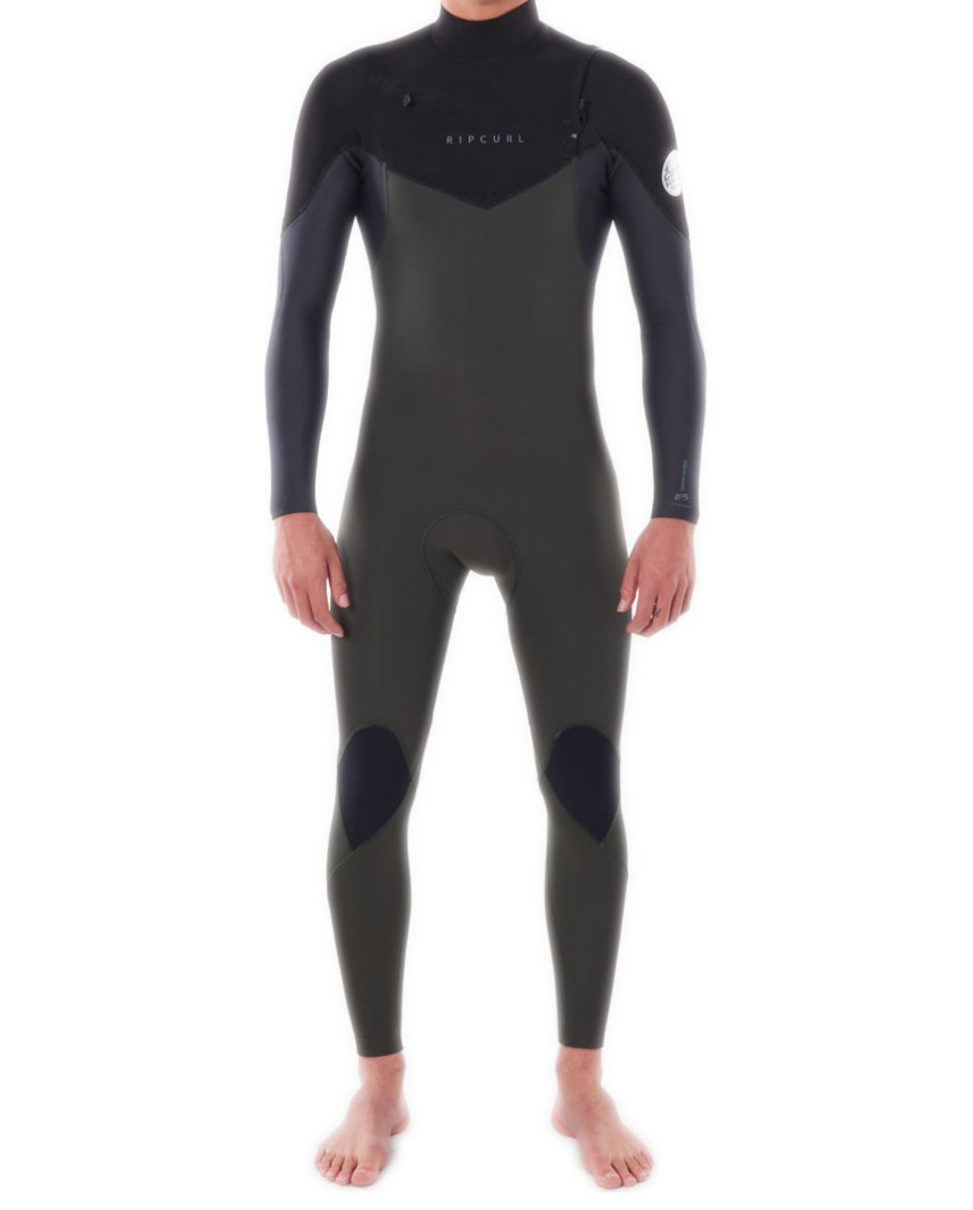
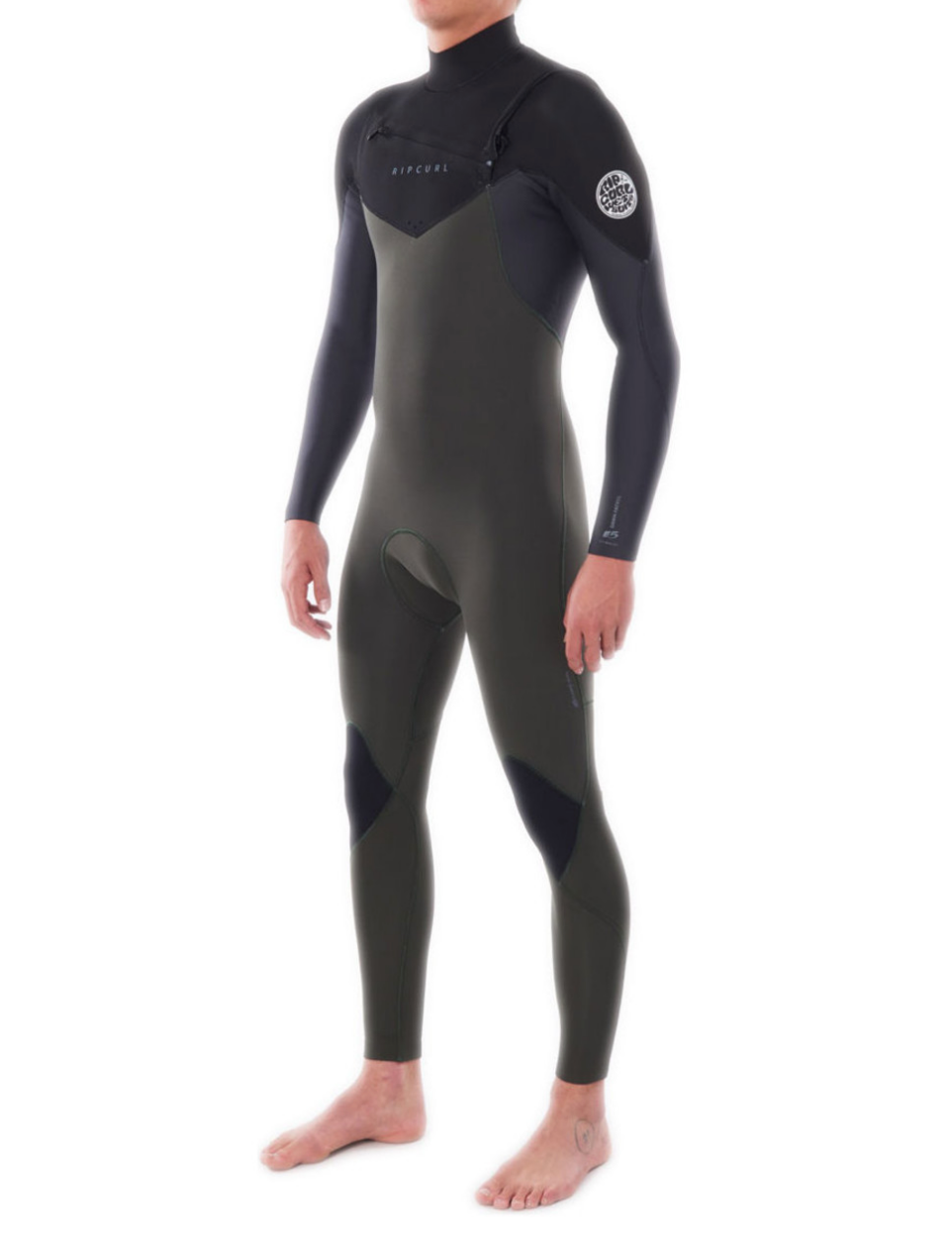
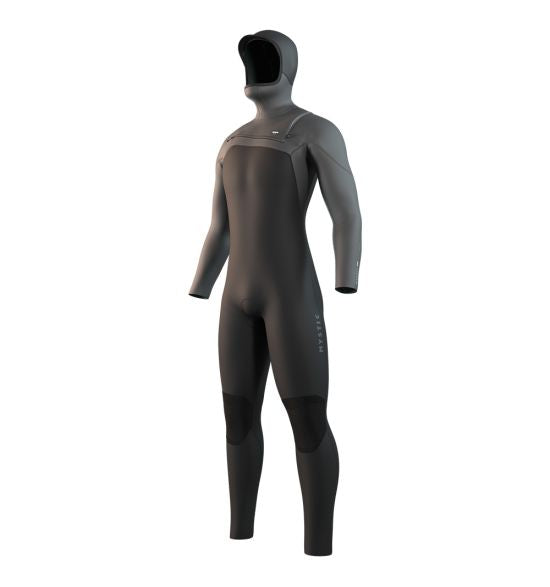
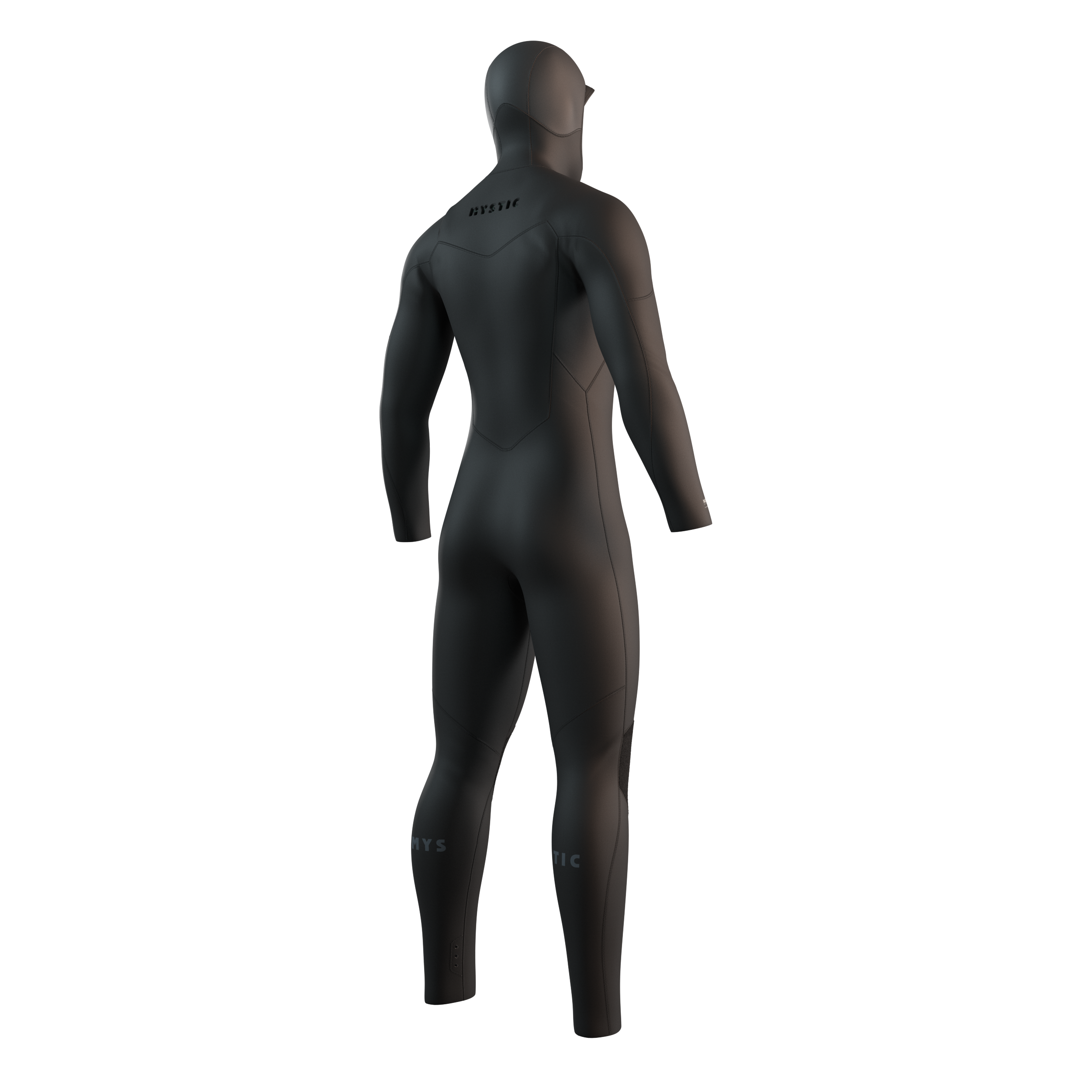
Fullsuit/steamer is the classic wetsuit with long arms and long legs. It covers the entire body and is the standard choice for kitesurfers in Denmark. Available in thicknesses from 3/2mm to 6/5mm with a hood. Thicker versions sometimes come with an integrated hood for extreme winter kiting.
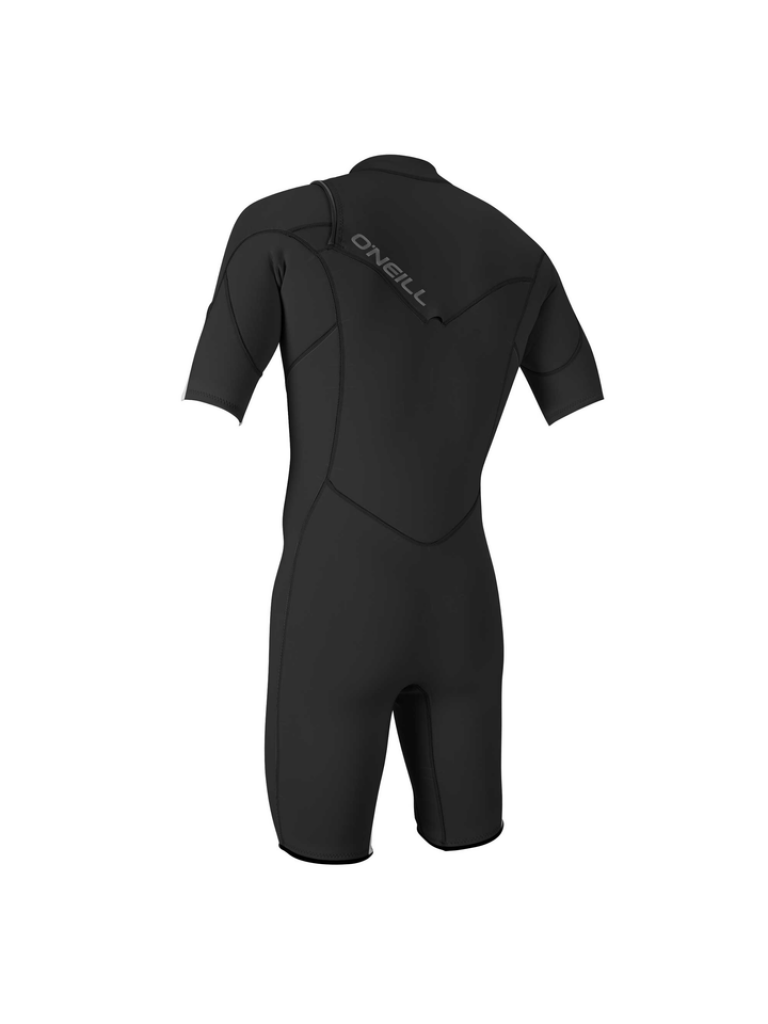
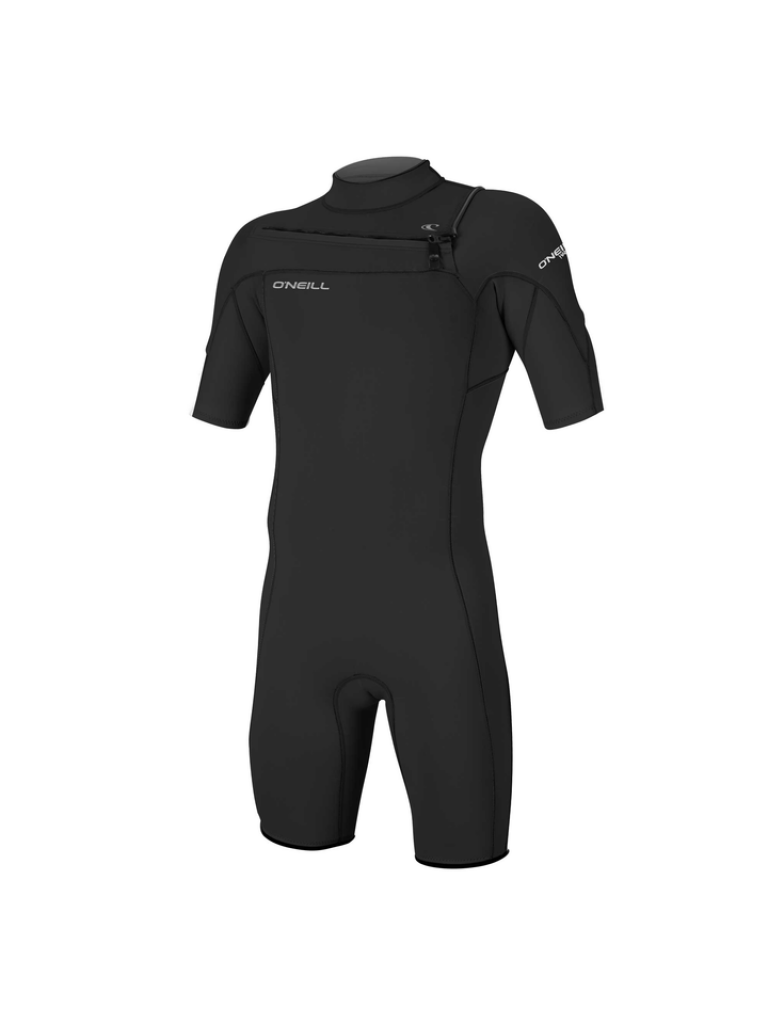
Springsuit has long arms and short legs — a good compromise for spring and early summer. It offers a bit more freedom of movement than a fullsuit and is warm enough when the water temperature is above 15°C.
Short arm steamer has short arms and long legs. Very popular among wave surfers and kitesurfers, as the free arms provide full freedom of movement and make it easier to paddle and control the bar.
Shorty has short arms and short legs — only suitable for real summer days, and unfortunately rarely enough in Denmark. It provides maximum freedom of movement but less protection against impacts when falling.
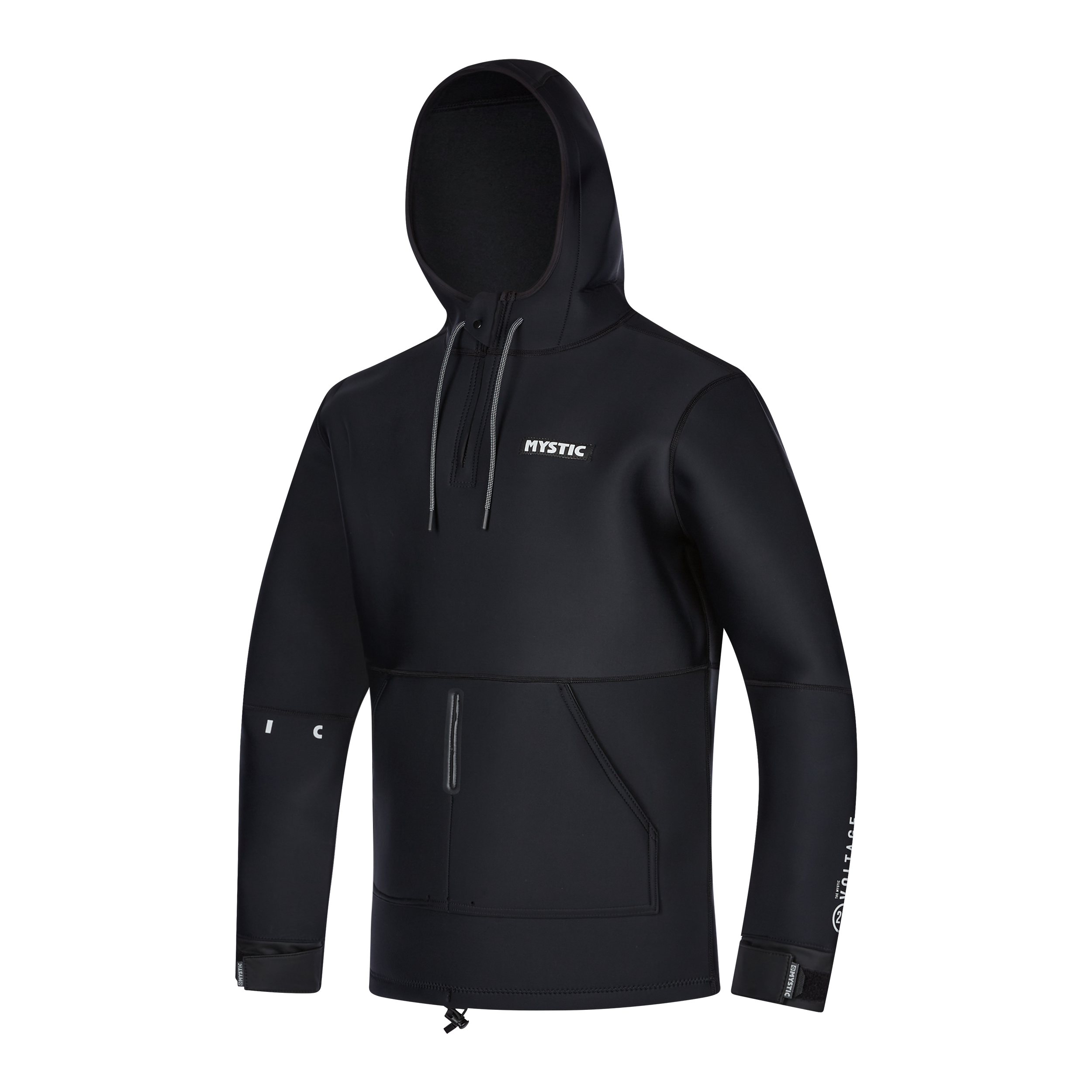
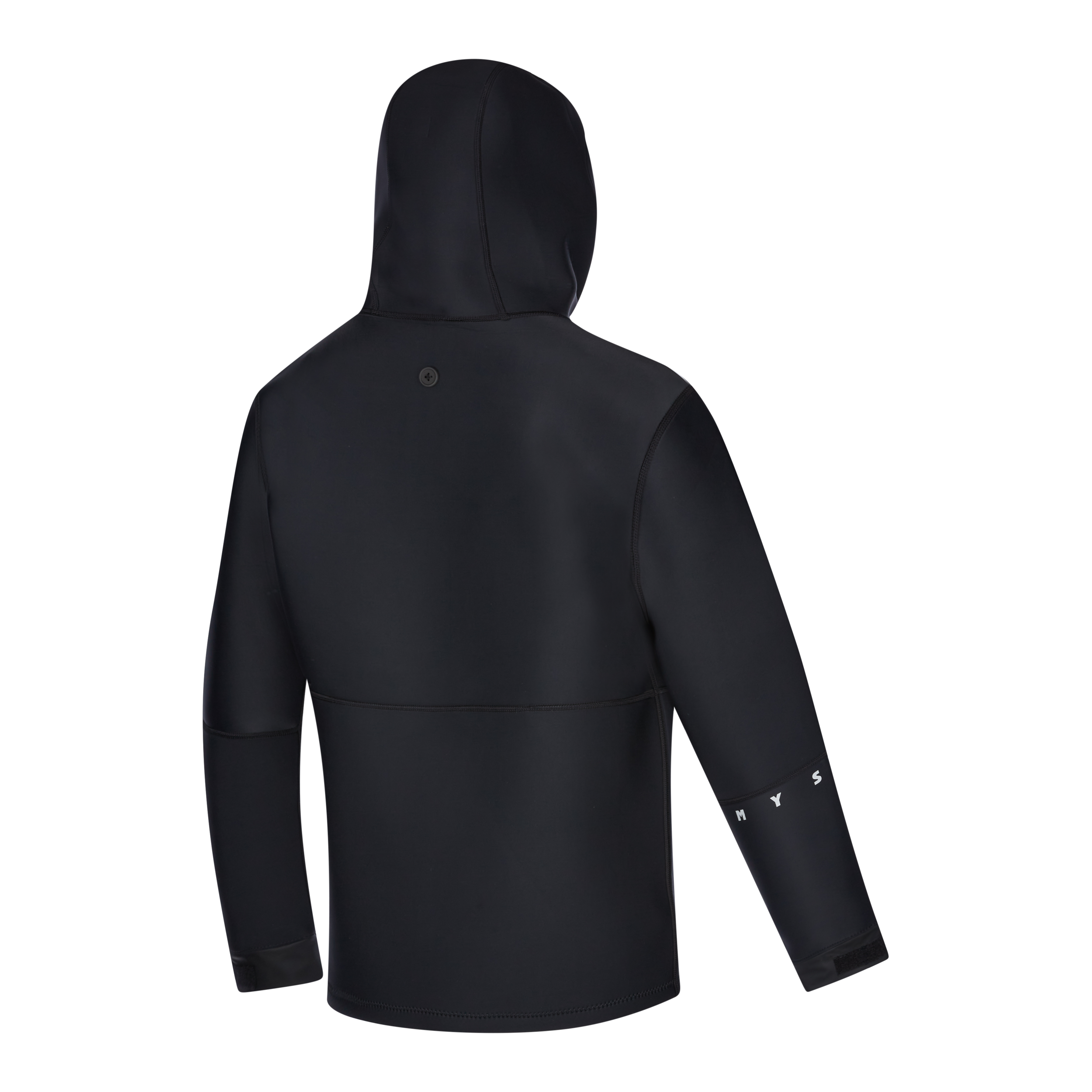
Neoprene jacket/vest is worn over or under your wetsuit as an extra insulation layer. Available in thicknesses from 0.5mm to 5mm — perfect for extending the kite season in borderline temperatures.
What is the difference between front zip, back zip and zip free?
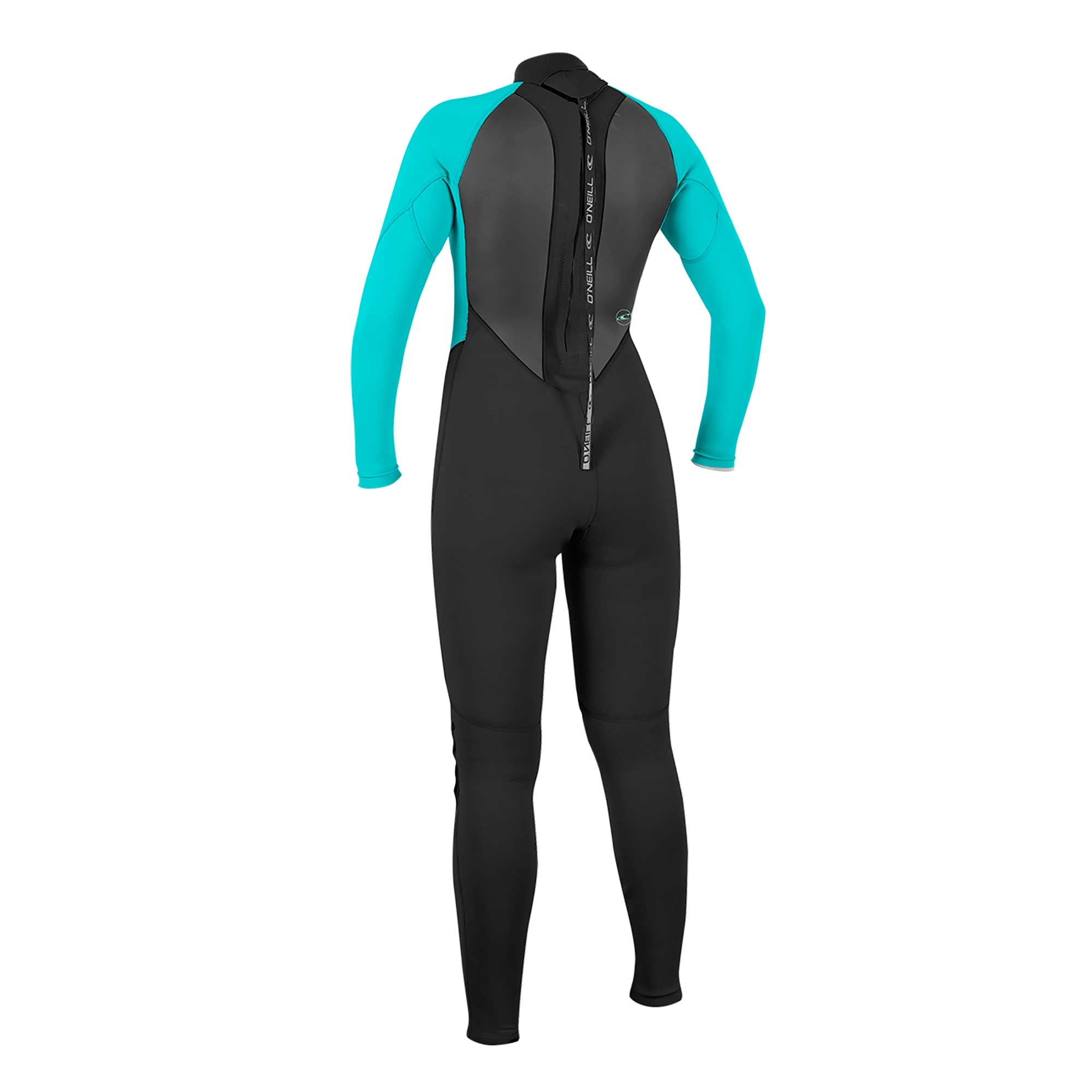
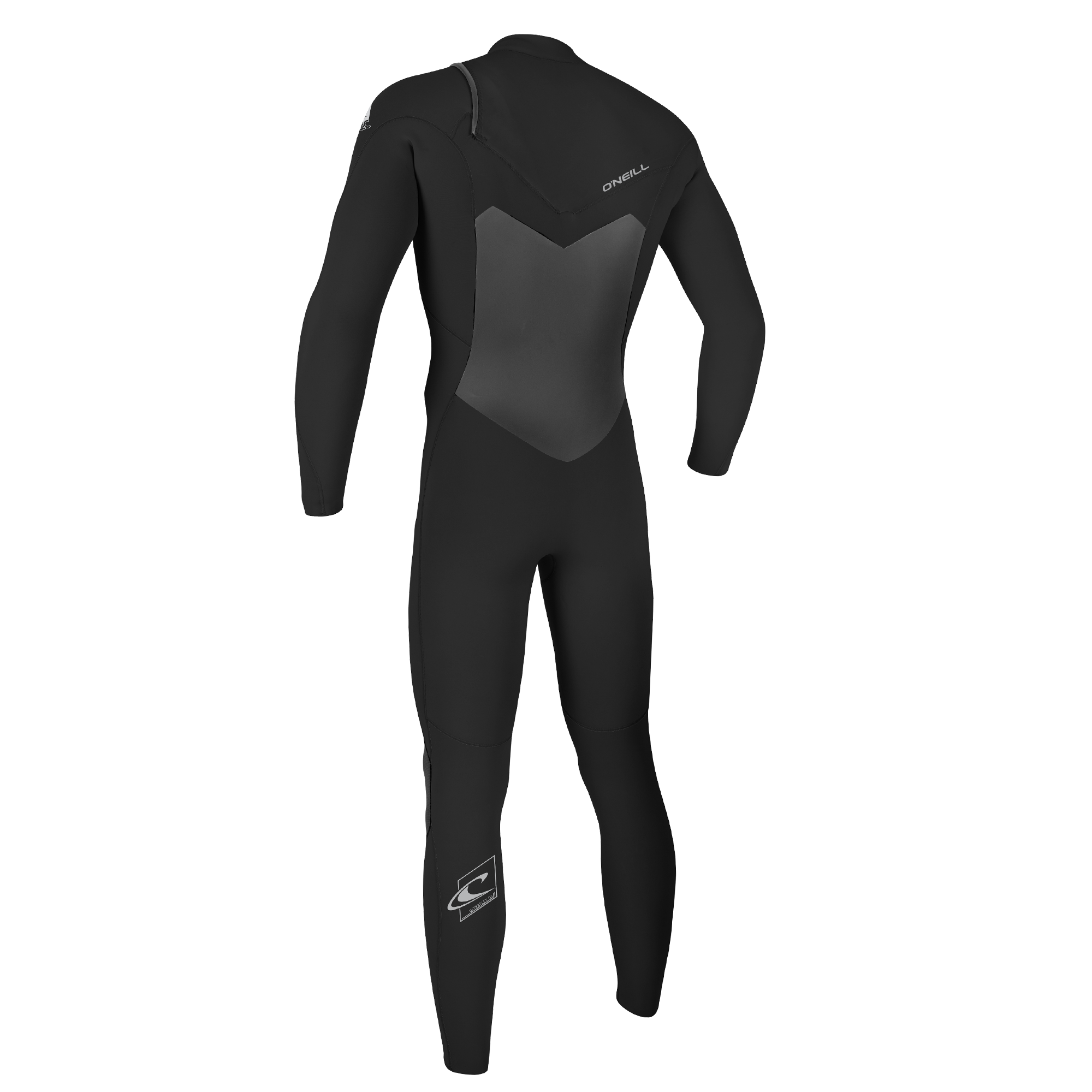
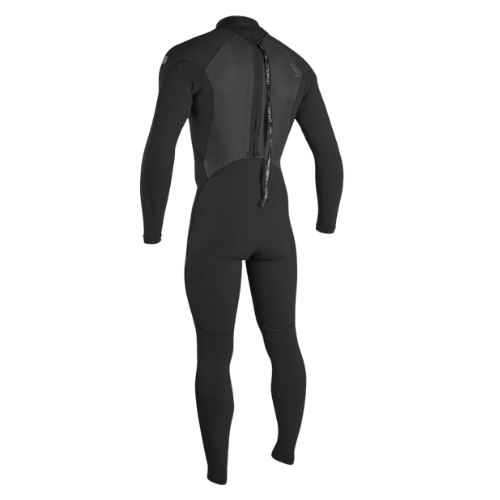
Back zip is the classic option and the easiest to get in and out of due to the wide opening. The downside is that the zip runs along the entire back panel, reducing flexibility in the back and allowing slightly more water in. The neck closure is Velcro, which does not seal as well as silicone.
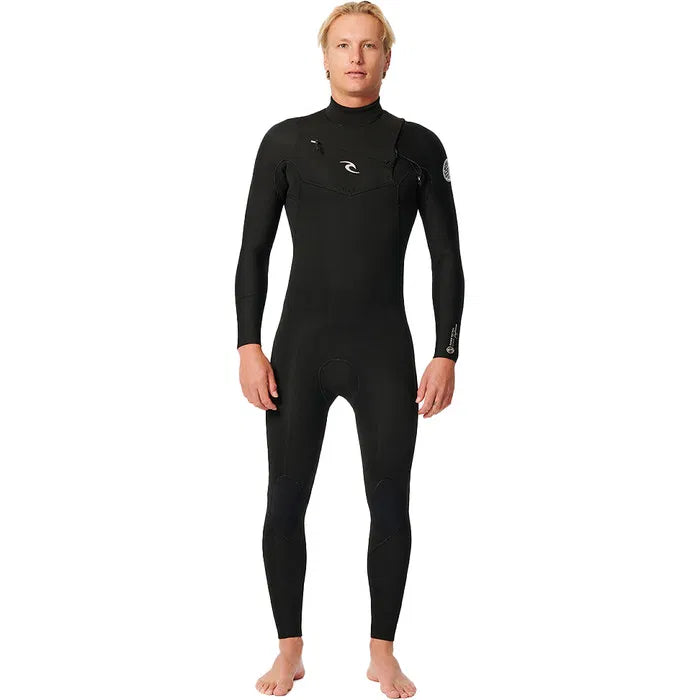
Front zip provides better water resistance and does not interfere with the back of the harness. The neck closure is made from silicone, which seals better than Velcro. It takes a little practice to put on and take off — but today it is the standard choice for most experienced kitesurfers.
Zip free has no zip and is the most watertight and flexible option. The wetsuit is pulled on by stretching it over the body. It offers the most freedom of movement and the least water entry — but may require a little help to get into.
What determines the quality of a wetsuit?
Three factors matter most for the warmth, durability and comfort of a wetsuit:
Neoprene and lining: The inner lining is in direct contact with the skin. A thick, soft lining feels comfortable and warms the thin layer of water that forms between the skin and the wetsuit. More expensive wetsuits typically have thicker lining on the chest and back — the areas where heat loss is greatest.
Seaming: There are three common methods:
- Overlock — the cheapest and weakest method. The seam penetrates the neoprene and lets water in. Not recommended for Danish waters outside summer.
- Flatlock — two pieces of neoprene are cut at an angle and sewn together. There are still holes in the seams, but it is more flexible. Only suitable for summer water above 17°C.
- Blindstitch — the stitches only penetrate halfway through the neoprene and are glued on the inside. By far the best option for water resistance and flexibility. All high-end wetsuits are blindstitched.
Many premium wetsuits also add neoprene tape or liquid tape on the outside of the seams for full water resistance — especially important for winter kiting.
What is the difference between a kitesurfing wetsuit and a surfing wetsuit?
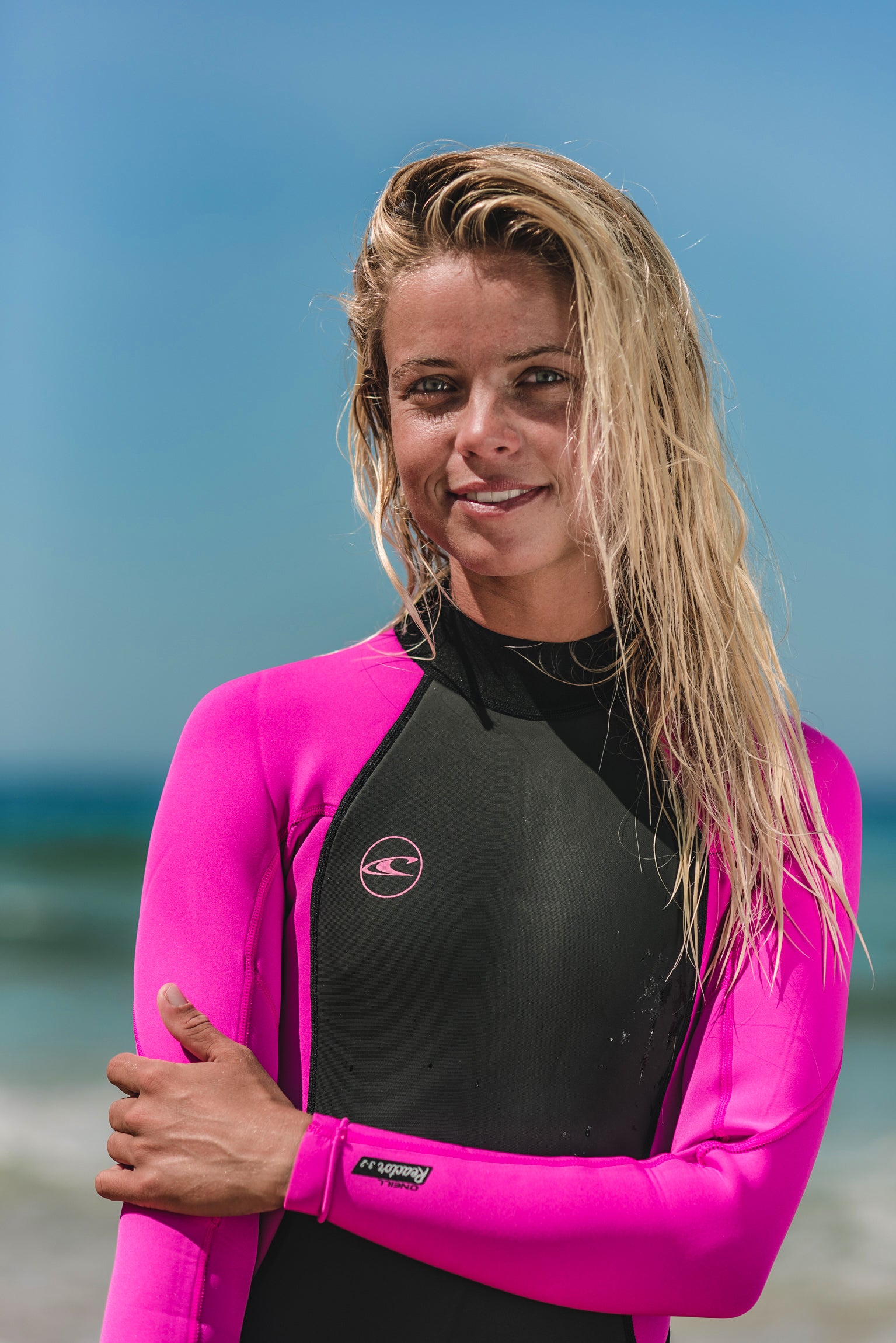
Kitesurfing wetsuits are designed with reinforcements at the knees and seat — the areas that experience the most wear against the board. They are also cut to provide maximum freedom of movement in the shoulders and arms, so you can control the bar and harness without restriction. It is a good investment if you kite regularly.
How do I find the right size?
Measure your height, chest and waist, and use the brand’s size guide. A wetsuit should fit close to the body without being too tight — there should be no air pockets. If it is too loose, too much water will circulate inside and you will get cold. If it is too tight, it will restrict your movement and feel uncomfortable for hours.
If you are unsure, you are welcome to call us on +45 53 53 16 83 or visit our shop, and we will help you find the right size.
How much should I pay for a good wetsuit?
A reliable entry-level model for kitesurfing starts at around €100–€120. A high-end wetsuit with blindstitch seams, premium neoprene and good lining costs DKK €300-€500 — and typically lasts significantly longer. In our experience, a more expensive wetsuit pays off in comfort and lifespan, especially if you kite from April to November.
Check out our wetsuit sale for great prices on previous-year models — the quality is the same, only the model year is older.